Skip to content

Table of Contents
A root canal can save a tooth that would otherwise be lost to infection or decay, which is great news. However, many patients do not realize that after the procedure, the tooth is left weaker than before. While the infection is gone, the tooth is not as strong and can easily fracture during normal chewing, which is why dental crowns are often recommended to restore strength and provide long-term protection.
At Solomon Family Dentistry, serving patients in Summerville and Mount Pleasant, SC, dental crowns are the clinical standard we recommend after root canal treatment. As dental caps for damaged teeth, crowns encase the entire visible portion of the treated tooth, providing the structural reinforcement and biological sealing that a filling alone cannot deliver. For patients looking for ceramic crown restoration, our team offers both traditional and same-day crown options to restore function and protection efficiently.
Why Do Teeth Need Crowns After A Root Canal?
The procedure removes the pulp and blood supply that keep the tooth strong and flexible, making the tooth more brittle and likely to crack. A crown covers the whole tooth, spreads out biting pressure, and helps prevent fractures that could lead to losing the tooth.
Why a Root Canal Leaves the Tooth Structurally Vulnerable
A root canal takes out the pulp, nerves, and blood supply from inside the tooth. This blood supply is what keeps the tooth hydrated and strong enough to handle the pressure of biting and chewing.
Without this blood supply, the dentin slowly becomes more brittle and loses its flexibility. You will not notice this change day to day, but it does make the tooth much more likely to crack than before the root canal.
The access opening created during the root canal also removes a significant portion of the crown structure, further reducing the tooth’s ability to withstand the lateral and compressive forces it experiences with every bite. A fracture severe enough to extend below the gum line typically results in tooth loss rather than a restorable outcome, which is why protecting teeth after a root canal with a permanent crown is clinically necessary for most patients rather than optional.
Why Fillings and Temporary Restorations Are Not Enough
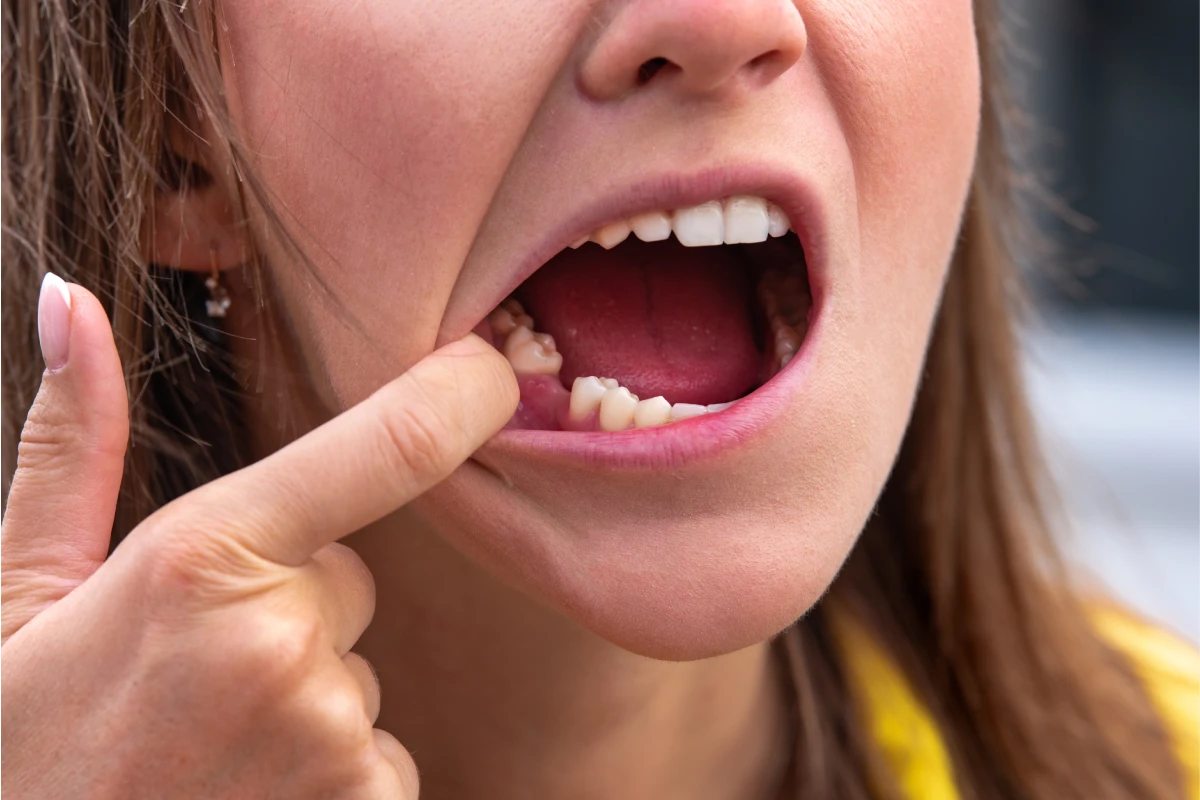
A filling can close the opening made during a root canal, but it does not make the tooth stronger or protect it from cracking under pressure. Back teeth like molars and premolars do most of the chewing and are especially at risk after a root canal because they have lost their natural support. A filling only fixes the hole, not the weakness of the tooth.
Temporary restorations placed immediately after a root canal are designed for short-term protection only and are not intended to withstand the long-term demands of normal chewing. Patients who delay root canal crown restoration are at meaningful risk of fracture, which can compromise the restorability of the tooth and require extraction rather than a straightforward crown placement.
How a Dental Crown Addresses the Structural Problem
A dental crown covers the whole part of the tooth you can see above the gums. This helps spread out the pressure from biting, instead of putting it all on the weaker parts of the tooth. By covering the tooth completely, a crown helps prevent cracks where they usually start and gives the support a filling cannot.
A crown also seals the tooth, keeping bacteria out through the opening and edges. This protects your root canal from getting infected again and lowers the chance of problems later. Because crowns offer both strength and a seal, they are the standard treatment after a root canal, not just an extra step.
What Types of Crowns Are Used and What the Process Involves
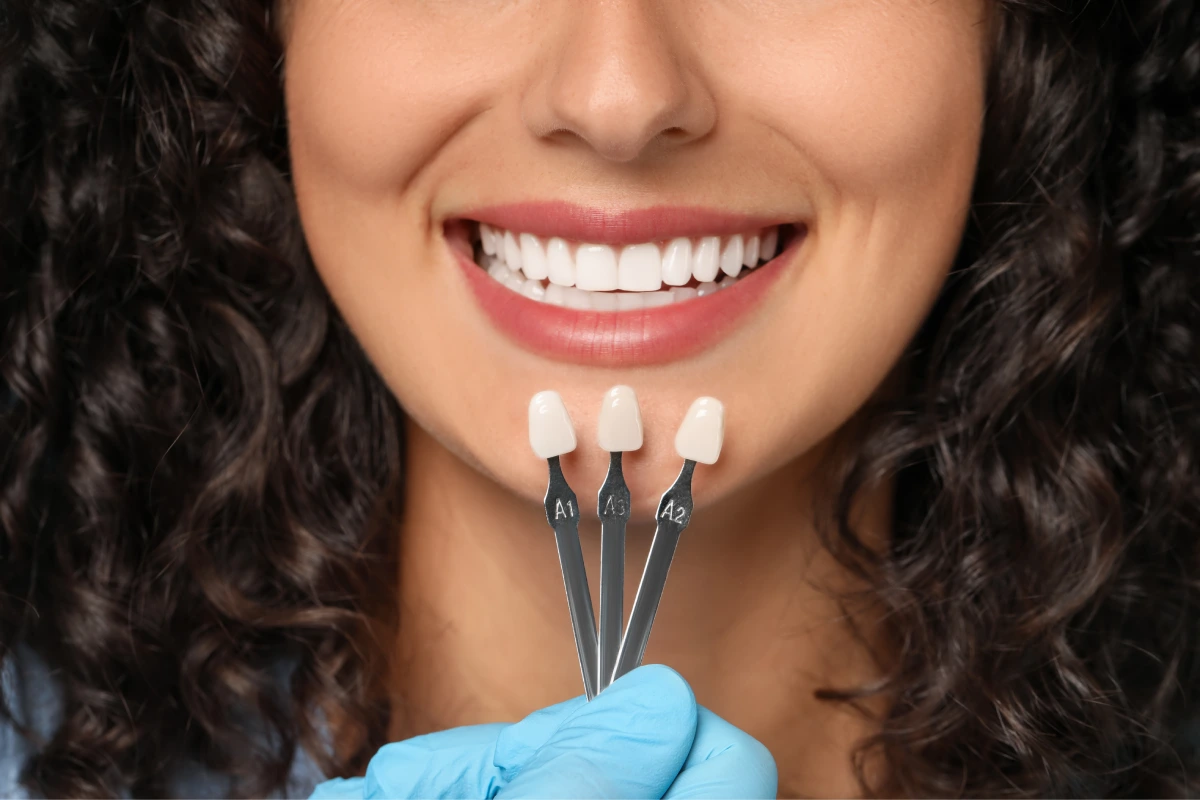
At Solomon Family Dentistry, we offer different types of crowns based on where your tooth is, how much pressure it takes, and how you want it to look. Porcelain and ceramic crowns look natural and match your other teeth, making them a good choice for both front and back teeth for most people.
Zirconia crowns are very strong and still look great, so they work well for back teeth that do a lot of chewing. Our ceramic crowns in Summerville and Mount Pleasant, SC are made to look and work like your natural teeth, so your smile stays natural.
If you want a quicker option, we offer same-day dental crowns using advanced technology in our office. We use digital scans instead of messy impressions, and your crown is made and placed in just one visit. This means you do not need a temporary crown or a second appointment.
Traditional crown placement involves a preparation visit followed by a delivery visit a few weeks later, with a temporary crown protecting teeth after a root canal in between. Both approaches produce durable, natural-looking dental caps for damaged teeth, and the choice between them depends on the patient’s schedule and clinical needs.
How Long Crowns Last and Who Needs One After a Root Canal
Dental crowns placed after root canal treatment typically last ten to fifteen years or longer with proper care, though lifespan varies based on the material used, bite forces, and consistency with regular dental visits. The integrity of the crown margin, where the crown meets the tooth at the gum line, is critical for long-term protection against reinfection.
If your gums recede or there are gaps where the crown meets your tooth, bacteria can get in and cause problems. If you grind your teeth, you put extra stress on your crown, so wearing a night guard can help your crown last longer.
Back teeth almost always need a crown after a root canal because they do most of the chewing and are more likely to crack without full coverage. Front teeth might be fixed with bonding or a filling if there is enough tooth left and the bite is gentle, but your dentist will decide what is best.
You should get your crown as soon as possible after your root canal, and most dentists suggest finishing the process within a few weeks. Waiting too long without a permanent crown raises the risk of your tooth cracking or getting infected again.
Ready to Protect Your Tooth After Your Root Canal
If you have had a root canal but do not have a permanent crown yet, now is the time to act. At Solomon Family Dentistry, we provide ceramic crown restoration in Summerville & Mount Pleasant, SC, that restore your tooth’s function, seal it, and help prevent fractures that could undo your root canal. We offer both same-day and traditional crown options to fit your needs and schedule.
Contact us today to learn which crown is best for your tooth. When you are ready, schedule your dental crown appointment and give your treated tooth the long-term protection it deserves.