Skip to content
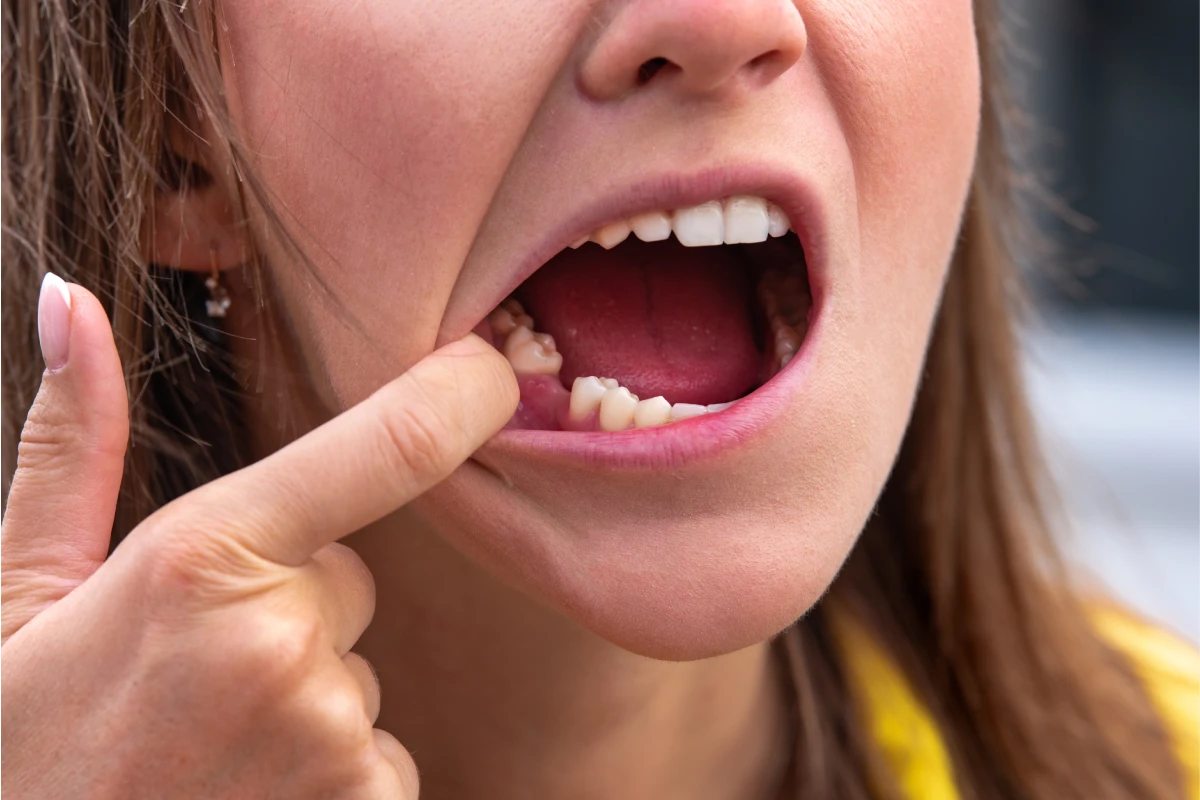
Table of Contents
Chewing is one of those things that only gets noticed once it stops working the way it should. A missing tooth changes how food gets broken down. Dentures that shift mid-meal make eating feel more like a balancing act than a normal part of the day. Both problems tend to point back to the same underlying issue, even though they show up in different ways.
At Solomon Family Dentistry, dental implants are made to solve this problem at its source. Unlike dentures that sit on the gums, implants replace the missing tooth root. Here, we’ll explain why missing teeth and loose dentures affect chewing, how implants fix this, and what you can expect from treatment.
How Do Dental Implants Restore Natural Chewing Function?
A titanium post is placed directly into the jawbone, where it fuses with the bone through a process called osseointegration, creating a stable, root-like foundation. Because this connection mimics how a natural tooth root works, many patients regain the ability to chew with a level of stability and force that a denture resting on the gums simply cannot provide.
Why Missing Teeth and Slipping Dentures Disrupt Chewing Function
When you lose teeth, there are fewer spots in your mouth to break down food. This puts extra pressure on your remaining teeth or gums. Over time, this uneven force can make eating some foods uncomfortable or more difficult than it should be.
Dentures cause a different but similar issue. Since they sit on the gums and jawbone instead of being anchored, they rely on suction and gum contact to stay put. Over time, the jawbone changes shape, especially without tooth roots, so dentures can start to slip or lose their fit. Both missing teeth and loose dentures come from not having a stable, anchored base for chewing.
How Dental Implants Work to Restore Chewing Function
The process starts with a titanium post placed in your jawbone. Over a few months, the bone grows around the post, forming a strong bond like a natural tooth root. This solid base lets the implant handle real chewing, unlike dentures that just rest on the gums.
This directly addresses both concerns named in the title. Restoring full chewing function with dental implants starts with replacing what is missing at the root level, which also eliminates the instability that causes dentures to slip in the first place. The foundation itself is what changes, not just the visible tooth or restoration on top of it.
Why Implants Address Denture Instability Specifically
Traditional dentures stay in place by suction and contact with the gums, but this fit gets weaker as the jawbone changes shape over time without tooth roots. That’s why even well-made dentures can feel loose or unstable after a few years.
Implants and implant-supported dentures don’t need suction or adhesives because they anchor directly into the jawbone. People who switch from regular dentures to implants often notice a big difference right away, such as:
- No more suction or adhesives needed to keep teeth in place
- Less concern about slipping or shifting while eating or speaking
- A more stable bite since the foundation is anchored in bone rather than resting on the gums
What Results Can You Expect, and How Long Does It Take?
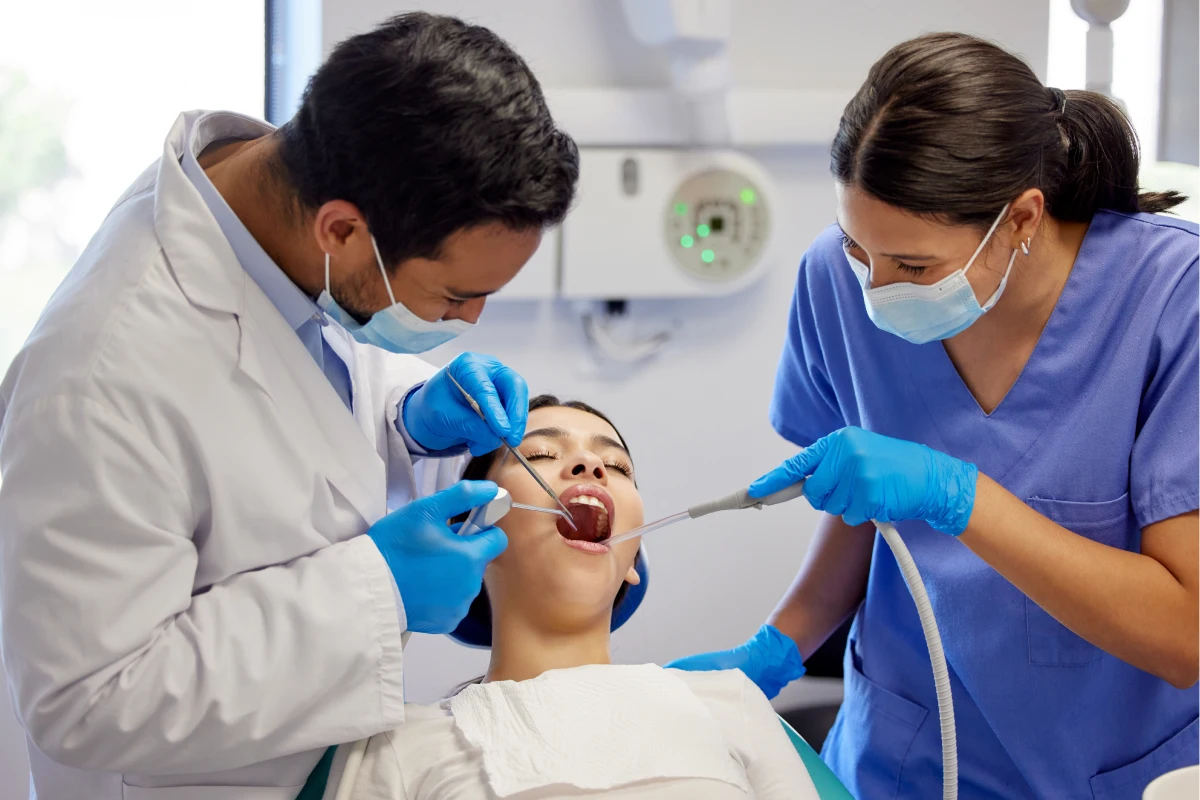
The process usually follows a clear path. After the implant is placed, you’ll need a few months for healing so the bone can fuse with the implant. This step is important because a strong bond is what gives the implant its long-term stability.
Results vary based on a few individual factors:
- Bone density and overall jawbone health
- General oral health
- The number of implants needed for a particular case
Many people find they can chew and eat more comfortably with implants than with dentures alone. However, only a provider can decide if implants are right for you and how long the process will take after checking your jawbone health and healing.
What Does the Dental Implant Process Involve?
Treatment generally follows a few key stages:
- Consultation and imaging, where a provider evaluates the jawbone and determines the right approach, whether a single tooth implant, a full mouth solution, or another combination based on need
- Implant placement, where the titanium post is positioned in the jawbone
- A healing period for osseointegration, during which the bone fuses with the implant
- Final restoration, where the crown, bridge, or denture is attached to complete the process
Most people find recovery manageable, with just a few temporary changes to their diet while healing. Your provider will create a plan based on how many teeth you’re missing and the health of your jawbone, since everyone’s situation is different.
Is Dental Implant Treatment Right for You?
Patients missing one or more teeth, or currently dealing with dentures that shift, slip, or feel unstable while eating, tend to be strong candidates for this kind of treatment for missing teeth and slipping dentures. Healthy gums and adequate bone density are both important factors in candidacy, which is why a comprehensive evaluation comes before any treatment plan.
If you have major bone loss, certain medical conditions, or gum disease, talk with your provider first. These issues can affect healing and whether implants are right for you. It’s best to decide after a full evaluation, not on your own.
Dental Implants and Getting Back to Eating with Confidence
People often talk about their implant results in everyday terms. They can eat meals without worrying about dentures moving or bite into firm foods without hesitation. These daily improvements come from having a stable, rooted foundation.
None of this is guaranteed for every patient, and outcomes depend on the individual factors already covered here. For many patients working through missing tooth replacement in Summerville and Mount Pleasant, SC, that return to eating without a second thought is exactly what makes the process worthwhile.
Ready to Restore Your Chewing Function?
If missing teeth or loose dentures are making it hard to eat, a consultation is the best way to see if dental implants are right for you. The Solomon Family Dentistry team can check your jawbone health and discuss your options, whether you need one implant or a full-mouth solution.
Contact us to get started, and our team will help you find the right path forward. Schedule your affordable Dental Implants today!