Skip to content

Table of Contents
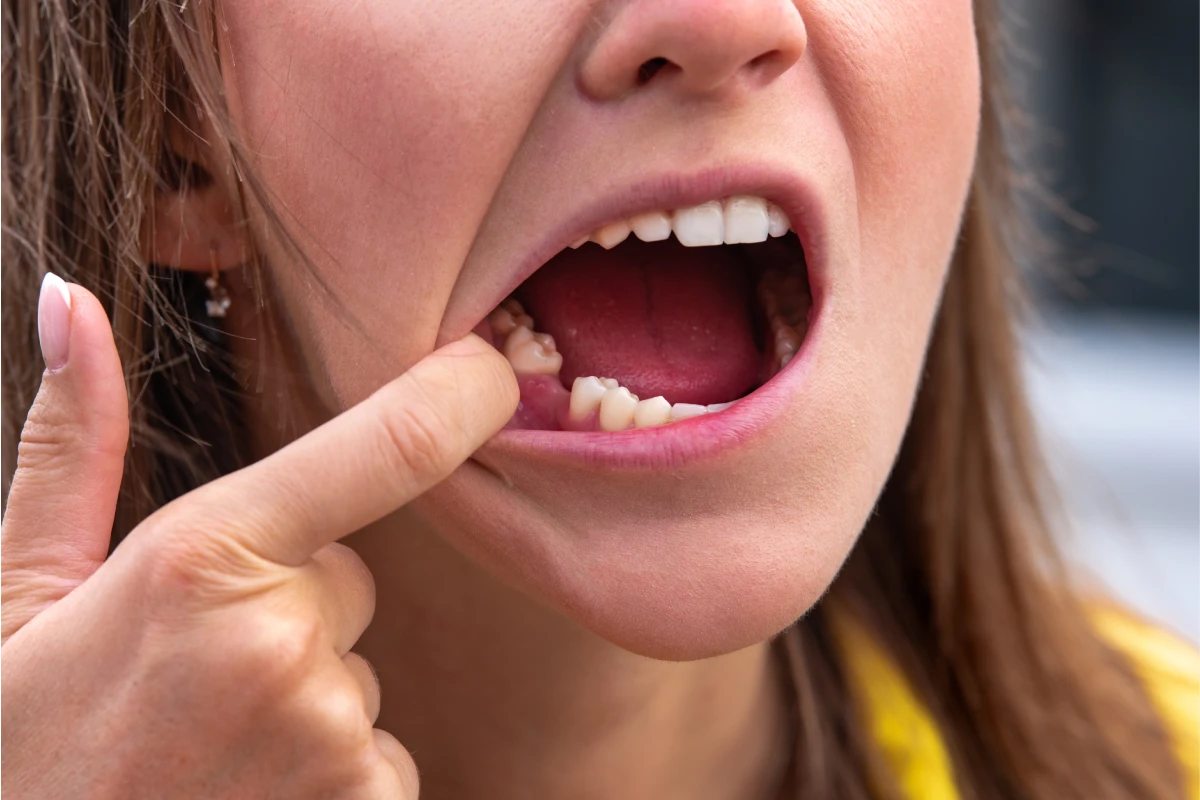
At first, it’s easy to ignore pain at the back of your mouth. You may feel pressure behind your molars, gum tenderness, jaw soreness, or pain that comes and goes when you chew.
At Solomon Family Dentistry, we help patients in Summerville and Mount Pleasant, SC, decide when wisdom teeth are causing trouble and if removal is the best option. If you’re thinking about wisdom teeth removal, an evaluation can reveal if your symptoms are due to impacted, partially erupted, or poorly positioned wisdom teeth.
When Does Pain At The Back Of Your Mouth Mean You Might Need Your Wisdom Teeth Removed?
Dentists may recommend wisdom tooth removal when the teeth cause pain, swelling, infection, crowding, or gum irritation, and exams and X-rays help determine whether monitoring or extraction is the better option.
Why Pain At The Back Of The Mouth Often Points To Wisdom Teeth Problems
Wisdom teeth are your third molars and usually appear in your late teens or early adulthood. Some people have no issues when they come in, but others don’t have enough space in their jaw to allow their teeth to grow in properly.
If there isn’t enough space, wisdom teeth can become impacted. This means they stay trapped under the gums or only partly break through. This can lead to pressure at the back of your mouth and discomfort near your molars.
Pain may start as mild soreness, but it can become more persistent if swelling, trapped food, or bacteria build up around the area. If you are trying to address pain at the back of your mouth, a dental evaluation is the safest way to determine the cause.
How Wisdom Teeth Can Affect Nearby Teeth And Gums
Problems with wisdom teeth don’t always stay limited to the tooth itself. An impacted wisdom tooth can press against the tooth next to it, increasing discomfort or placing stress on nearby teeth.
Partially erupted wisdom teeth can create small spaces where food and bacteria get stuck. Since these spots are hard to clean, your gums can become irritated or infected.
When wisdom teeth come in at an angle, they may also contribute to shifting or crowding concerns. In some cases, removal may help prevent crowding from developing wisdom teeth and reduce the risk of problems affecting surrounding teeth.
Signs Wisdom Teeth Removal May Become Necessary
Not all wisdom teeth need to be removed, but some symptoms should be checked by a dentist. Ongoing pain near your back molars is one of the main reasons people schedule a wisdom teeth consultation.
Other signs include swelling, jaw stiffness, gum tenderness, pain while chewing, a bad taste in the back of your mouth, or repeated irritation in the same spot. These symptoms can mean the wisdom tooth isn’t coming in normally or that bacteria are building up around it.
X-rays can also reveal impacted wisdom teeth under the gums before symptoms get worse. If symptoms or imaging show a higher risk of infection, crowding, decay, or gum disease, your dentist may recommend wisdom teeth removal.
Why Monitoring Wisdom Teeth Early Can Help Prevent Bigger Problems
Wisdom teeth can cause issues before pain gets severe. That’s why dentists often check their position with exams and imaging, especially during the late teen and young adult years.
Early evaluation helps show if the teeth have enough room to come in properly. It can also reveal if they’re angled toward nearby molars, stuck under the gums, or likely to cause problems later.
Monitoring can reduce the risk of waiting until symptoms become harder to manage. It may also help prevent infection from wisdom teeth by catching partially erupted or impacted teeth before bacteria and inflammation become recurring problems.
What Makes Wisdom Teeth Removal A Common Solution
Dentists often suggest removing wisdom teeth if they cause pain, infection, or crowding, or if they could harm other teeth. Taking them out can relieve pressure and help prevent ongoing irritation at the back of your mouth.
Impacted wisdom teeth usually don’t get better on their own. If a tooth is stuck under the gums or coming in at a bad angle, it will likely keep causing problems until it’s removed.
At Solomon Family Dentistry, treatment plans are based on your symptoms, X-rays, tooth position, and overall oral health. The goal is to improve comfort in the back of your jaw while helping protect nearby teeth and gum tissue.
What To Expect During A Wisdom Teeth Evaluation
A wisdom teeth evaluation begins with a review of your symptoms. We’ll ask when your pain started, if it comes and goes, and whether you’ve noticed swelling, discomfort when chewing, or gum tenderness.
Your dentist will check the back of your mouth and may use digital images or X-rays to see your wisdom teeth below the gums. This helps show if the teeth have come in, are partly in, are impacted, or are pressing against other teeth.
If removal is needed, your dentist will explain the process, comfort options, and how to care for your mouth afterward. For surgical removal, you may have sedation or anesthesia to keep you comfortable and safe during the procedure.
How Recovery Typically Looks After Wisdom Teeth Removal
Recovery after wisdom teeth removal depends on how many teeth were removed and their position. It’s normal to have some swelling, soreness, and tenderness for the first few days.
You’ll usually get instructions about eating soft foods, keeping your mouth clean, using gauze, and limiting activity. Foods like soup, yogurt, and mashed potatoes are often easier to eat while you heal.
You’ll also get advice on what symptoms to watch for. If your pain gets worse, bleeding is unusual, or you have any concerns during recovery, contact the office so your dentist can help monitor your healing.
When To Schedule A Wisdom Teeth Consultation
Schedule a consultation if pain in the back of your mouth keeps coming back or is getting worse. Swelling, gum irritation, jaw stiffness, or discomfort when chewing are also good reasons to see your dentist.
It’s also a good idea to book a visit if your wisdom teeth are hard to clean or if you’ve been told they might be impacted. X-rays can reveal problems that aren’t visible during a regular exam.
At Solomon Family Dentistry, we see patients in Summerville and Mount Pleasant, SC for wisdom teeth evaluations and treatment planning. A consultation can help you understand whether monitoring or removal is the right next step.
Do Not Wait For Wisdom Tooth Pain To Get Worse
Pain at the back of your mouth can mean your wisdom teeth need attention, especially if discomfort, swelling, crowding, or infection keeps coming back. Removing wisdom teeth can help protect your oral health if they’re impacted, poorly positioned, or causing problems for nearby teeth and gums.
At Solomon Family Dentistry, our team provides evaluations and third molar extraction in Summerville & Mount Pleasant, SC, focusing on comfort, clear guidance, and supportive follow-up care. Contact us to schedule your wisdom teeth consultation and learn what is causing your discomfort.