Skip to content
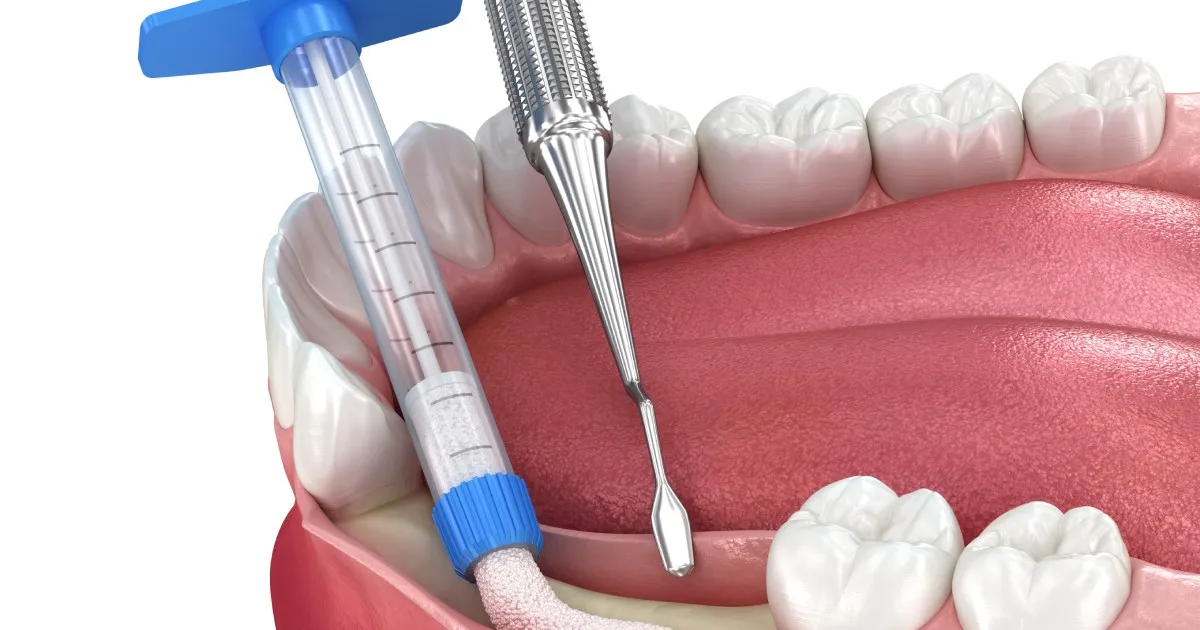
Table of Contents
The dentist explains that a bone graft is needed before getting that dental implant, and the first question that comes to mind is usually about the time involved. How long until the area heals? When can the implant actually go in? What does recovery look like week by week?
These timeline questions matter because they affect work schedules, event planning, and just knowing what to expect. Bone grafts don’t heal overnight, and understanding the realistic timeline helps set proper expectations rather than getting frustrated when things take longer than hoped. Dentists at Solomon Family Dentistry in Summerville and Mount Pleasant walk patients through the healing stages so there are no surprises about how long the process actually takes.
Here’s what dental bone graft recovery looks like from week one through complete healing.
Building New Bone Takes Time
A bone graft isn’t like getting a filling where the work is done and that’s it. This procedure adds bone material to areas of the jaw where bone has been lost due to gum disease, tooth extraction, injury, or natural aging. The grafted material needs to fuse with existing bone through a biological process called osseointegration.
Different types of graft material exist. Autogenous bone comes from the patient’s own body (often from another part of the jaw or chin). Allogenic bone comes from processed donor tissue. Xenogenic bone comes from animal sources, typically bovine. Synthetic materials can also be used, though they’re less common due to lower success rates.
Regardless of the source material, the healing process follows similar stages. The body needs to recognize the graft material, develop blood vessels into it, and gradually replace it with new living bone. This biological process takes months, there’s no rushing it.
How long does a bone graft take to heal completely? Most dental bone grafts need 3-6 months to heal enough for the next procedure, like placing a dental implant. Some cases require longer, especially for larger grafts or when multiple sites are treated.
The timeline varies based on several factors: the size and location of the graft, the type of bone material used, individual healing capacity, overall health, smoking status, and whether infection or complications occur.
What Are the Benefits of Bone Grafting?
Beyond giving dental implants a better chance of success, bone grafting supports your oral and overall health in some important ways.
Here’s what a bone graft can help with:
- Rebuilds bone structure in areas weakened by gum disease or aging
- Prevents shifting teeth by maintaining jawbone shape after a tooth extraction
- Supports facial structure, avoiding that “sunken” look that can occur after tooth loss
- Makes future dental treatments possible, like implants or bridges, especially when supported by a dental implant bone graft
- Improves comfort with dentures or other appliances by creating a stronger foundation
Bone grafts aren’t just about replacing bone, but they’re about restoring your ability to chew, speak, and smile confidently.
Who’s a Good Candidate for a Bone Graft?
Not everyone needs one, but your dentist might recommend bone grafting if they see signs of bone loss in your jaw. This can happen more quickly than people realize. Even a few months after a tooth is lost, the jawbone in that area can begin to shrink.
You may be a candidate if you:
- Have missing teeth and want to pursue dental implants
- Need a tooth extraction but want to preserve the bone
- Have had gum disease that weakened your jawbone
- Are experiencing discomfort with dentures due to bone loss
- Want to prevent further changes to your facial appearance
Age typically doesn’t limit eligibility for this procedure, as long as you’re in good health and free from oral infections. It’s important to understand all your options regarding bone grafting, so don’t hesitate to contact us at Solomon Family Dentistry to discuss possibilities tailored to your needs, expected healing time, and how to prepare for a successful recovery that promotes long-term dental health.
What to Expect: The Healing Process Step-by-Step
Let’s answer the big question: how long does a bone graft take to heal?
The full bone graft procedure healing process generally takes 3 to 6 months. Don’t worry, the recovery process will not be consistently uncomfortable throughout.
Most discomfort is experienced in the initial days following the procedure. Afterward, the majority of your recovery will involve your body undergoing the internal process of osseointegration, during which the graft material fuses with your jawbone.
Here’s a simple timeline of what to expect:
Before Your Procedure
- Your dentist will review X-rays or 3D scans to assess bone loss
- You’ll go over your options for bone material (human, animal, or synthetic)
- Instructions will include avoiding food or certain medications before your appointment
Day of the Procedure
- You’ll be given local anesthesia or sedation to keep you comfortable
- A small incision is made in the gum to access the area
- The bone graft material is placed, then the gum is stitched closed
- The entire process usually takes 45 minutes to 90 minutes
Post-Bone Graft Care: First Few Days
Post-bone graft care is essential for a smooth recovery.
- You’ll be sore for 2–3 days (over-the-counter pain relief usually helps)
- Swelling and minor bleeding are normal
- Soft foods, saltwater rinses, and good oral hygiene are key
- Avoid smoking, straws, or anything that could disrupt the area
Weeks 2–4
- The soreness fades
- Gums begin to heal around the surgical site
- You’ll return for a follow-up to check progress
Months 3–6
- Internally, your body is building new bone
- Once fully healed, your dentist can move forward with your implant or other treatment
The type of graft, the size of the treated area, and your overall health all affect how quickly you’ll heal, but your dentist will walk you through a realistic timeline based on your case.
Getting Through Recovery Successfully
Bone grafts require patience, but they’re often necessary to achieve long-term dental goals, such as getting implants. The 3-6 month healing timeline can’t be shortened without risking failure, so embracing the process rather than fighting it leads to better outcomes.
Understanding that healing happens in stages helps. The dramatic changes of the first few weeks give way to months of quiet biological activity that’s just as important. Following post-operative instructions, attending follow-up appointments, and waiting for professional clearance before proceeding to the next step all contribute to success.
Bone Grafting in Summerville & Mount Pleasant through Solomon Family Dentistry provides expert grafting procedures with clear guidance through each healing stage. Our team monitors progress and determines when the graft has healed adequately for implant placement or other procedures.
Schedule your consultation and receive specific timeline estimates tailored to your needs.