Skip to content

Table of Contents
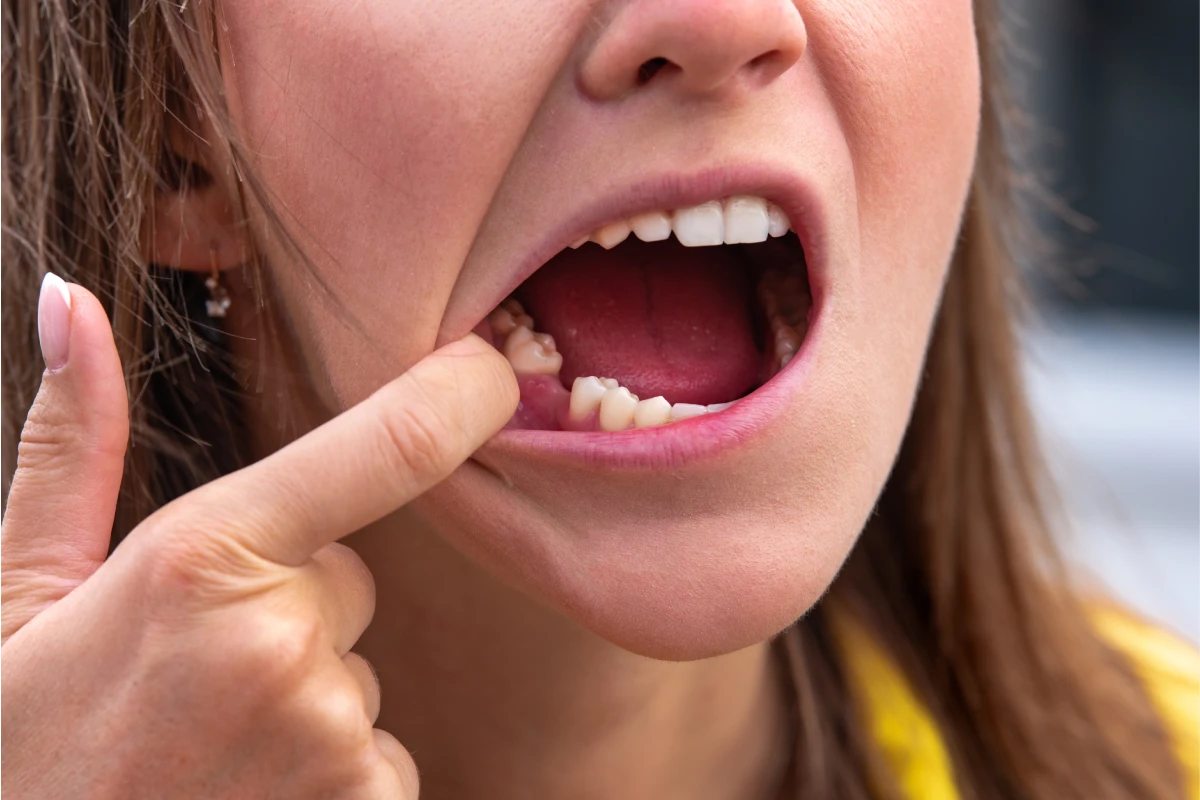
Being told you need dental implants can feel like finally finding a solution for missing teeth, only to hear, “but first, you don’t have enough bone.” Many people assume this means implants are no longer an option, leaving them considering alternatives such as dentures or bridges.
A sinus lift is a procedure used when there is insufficient bone in the upper jaw to support dental implants safely. It helps create the bone foundation needed for implant placement and may make treatment possible for people who otherwise have limited options.
Understanding why this preparatory procedure may be necessary and how it works can help people make informed decisions about tooth replacement and their overall oral health.
How Sinus Lifts Create the Foundation for Dental Implants
Sinus lift surgery addresses a common challenge in dental implant placement: insufficient bone height in the upper jaw, particularly in the area where molars and premolars were lost. When teeth are missing for extended periods, the jawbone may gradually resorb and shrink, while the sinus cavity above may expand downward.
A sinus lift, also called sinus augmentation, involves gently lifting the membrane that lines the bottom of the sinus cavity and placing bone graft material in the newly created space. Over several months, the graft material heals and integrates with the existing bone, helping increase the bone height available for implant placement.
Bone grafting and sinus lift procedures can rebuild bone volume that has diminished over time. This restoration may provide the structural support needed to position dental implants appropriately and withstand the forces associated with chewing and biting.
Different sinus lift techniques may be used depending on the amount of existing bone and the location of the planned implants. The procedure may involve a lateral window approach or a less invasive crestal approach. The appropriate technique depends on individual anatomy, bone availability, and treatment goals.
Although modern techniques have improved surgical planning and treatment predictability, sinus lift surgery still involves potential risks, including sinus membrane perforation, swelling, infection, and graft complications. A thorough evaluation helps determine whether the procedure is appropriate.
Potential Benefits of Sinus Lifts for Upper Jaw Implants
A sinus lift does more than add bone. It can help address anatomical limitations that affect dental implant placement. Understanding its potential benefits can clarify why this procedure is sometimes included in a restorative treatment plan.
- Support for appropriate implant placement: Increasing available bone height may allow implants to be placed in positions that provide suitable support for the replacement teeth.
- More implant placement options: When there is insufficient bone height, a sinus lift may make it possible to use implant designs and positions that would otherwise be difficult to achieve.
- Support for multiple teeth: When several upper back teeth are missing, bone augmentation may provide the foundation for multiple implants or an implant-supported bridge.
- Improved structural support: Adequate bone volume is an important factor in implant stability. A sinus lift can help address deficiencies that might otherwise complicate implant placement.
- Support for natural-looking restorations: Appropriate implant positioning can help support the design and placement of replacement teeth that complement the surrounding smile.
- Long-term oral health considerations: Replacing missing teeth with implant-supported restorations may help maintain function. However, bone preservation depends on several factors, including oral hygiene, implant health, and ongoing maintenance.
A sinus lift does not guarantee implant success or eliminate the possibility of complications. Outcomes depend on factors such as bone quality, healing, medical history, implant stability, and long-term oral care.
Who May Need a Sinus Lift?
A sinus lift may be considered for people who:
- Have insufficient upper jawbone height to support planned dental implants.
- Have been missing teeth in the back of the upper jaw for an extended period.
- Have experienced bone loss following tooth loss or periodontal disease.
- Have sinus anatomy that limits the amount of bone available for implant placement.
Not everyone with missing upper teeth requires a sinus lift. Some people have sufficient bone for implant placement without additional grafting, while others may be candidates for alternative implant approaches.
A dental professional can assess bone height, bone density, gum health, sinus anatomy, and medical history to determine whether bone augmentation is necessary. Dental imaging, including three-dimensional scans when indicated, can help evaluate the relationship between the upper jawbone and the sinus cavity.
What to Expect: From Evaluation to Recovery
Pre-Treatment Preparation
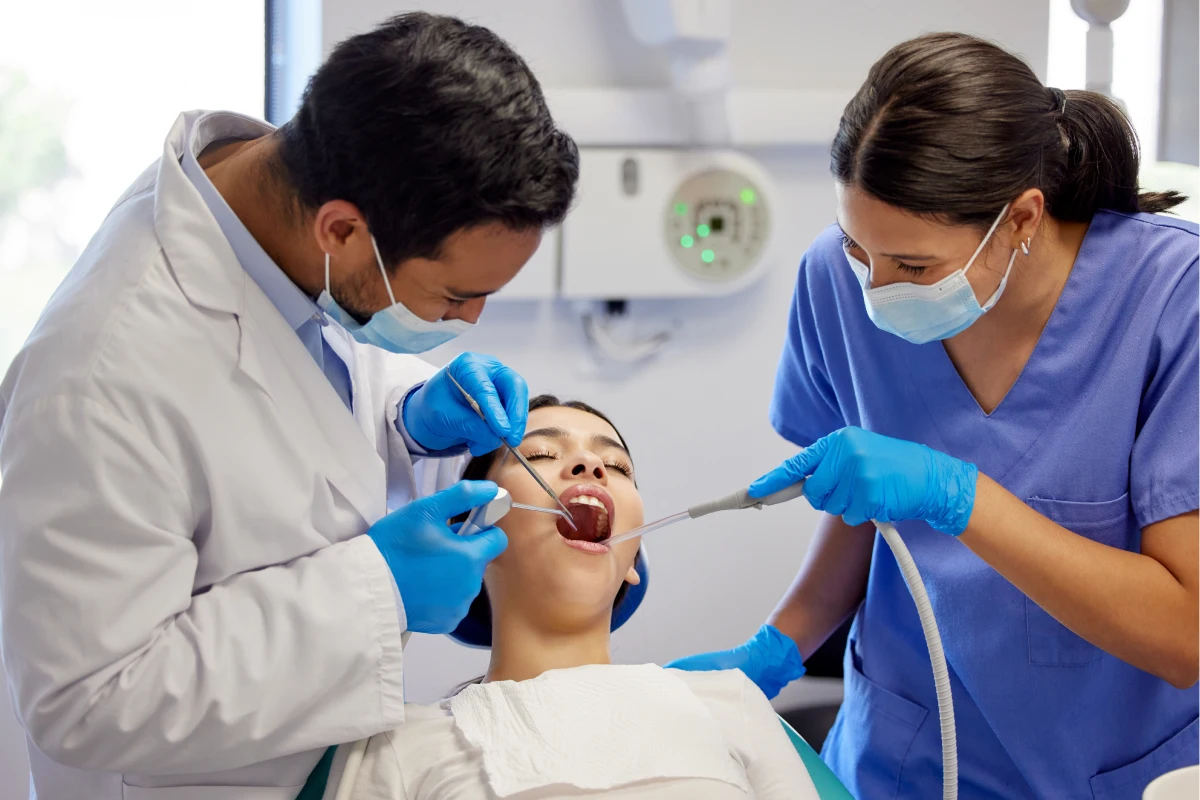
Before recommending a sinus lift, a dentist or oral surgeon will perform an examination, review dental and medical history, and use appropriate imaging, such as X-rays or cone-beam computed tomography (CBCT), to assess the available bone and sinus anatomy.
Preparation instructions may include:
- Avoiding smoking before and after surgery because it can interfere with healing.
- Reviewing medications and supplements with the dental team and prescribing clinician.
- Following specific eating and drinking instructions if sedation or general anesthesia is planned.
- Discussing existing sinus conditions, allergies, or recent sinus infections that may affect treatment planning.
Patients should not discontinue prescribed medications without guidance from the clinician responsible for their care.
Treatment Day
The procedure generally involves several steps:
- Administering local anesthesia, with sedation or other anesthesia options when appropriate.
- Making an incision in the gum to access the upper jawbone.
- Creating an opening in the bone, depending on the surgical technique.
- Gently lifting the sinus membrane.
- Placing bone graft material into the space beneath the membrane.
- Closing the surgical site with sutures.
The duration varies depending on the complexity of the procedure, the surgical technique, and whether other treatments are performed at the same time.
Recovery and Aftercare
After a sinus lift, swelling, tenderness, bruising, and minor bleeding may occur. The severity and duration of these symptoms vary, and recovery instructions depend on the individual procedure.
Typical aftercare recommendations may include:
- Avoiding forceful nose-blowing and following instructions for sneezing with the mouth open to reduce pressure in the sinus.
- Taking prescribed medications as directed.
- Eating soft foods during the initial healing period.
- Avoiding smoking and strenuous activities as instructed.
- Maintaining oral hygiene while protecting the surgical area.
- Attending follow-up appointments to monitor healing.
Persistent or worsening pain, fever, excessive bleeding, unusual swelling, or symptoms suggesting a sinus complication should be reported to the treating dental professional.
Recovery time varies. Some people resume routine activities within a few days, while others need additional time depending on the extent of surgery and their overall health.
Timeline for Bone Healing
The grafted bone needs time to heal and integrate with the surrounding bone before it can reliably support an implant. This process often takes several months, with the timeline depending on the grafting technique, the material used, the amount of bone added, and individual healing.
In some cases, dental implants can be placed during the sinus lift procedure if sufficient existing bone is available to achieve initial implant stability. In other cases, implant placement is delayed until the graft has healed adequately.
A follow-up examination and appropriate imaging help determine when the bone is ready for the next stage of treatment.
Understanding the Role of Sinus Lifts in Dental Implant Planning
Dental implants rely on adequate bone support for placement and long-term function. When the upper jaw lacks sufficient bone height because of tooth loss, natural anatomical variations, or bone resorption, a sinus lift may help address this limitation.
Understanding how sinus augmentation works, who may benefit from it, and what recovery involves can help patients make informed decisions about restorative dental care. A qualified dental professional can evaluate individual anatomy, explain the potential risks and benefits, and discuss whether bone grafting, alternative implant techniques, or another tooth-replacement option may be appropriate.