Skip to content

Table of Contents
Many patients seek long-term dental solutions that provide stability, improve functionality, and feel more natural. Fixed hybrid dental implants are one approach that combines a fixed prosthesis with the stability of implants to create a more secure experience. Curious about how fixed hybrids can impact daily life and self-esteem? Read on to learn more about this restorative dental option.
Understanding Fixed Hybrid Dental
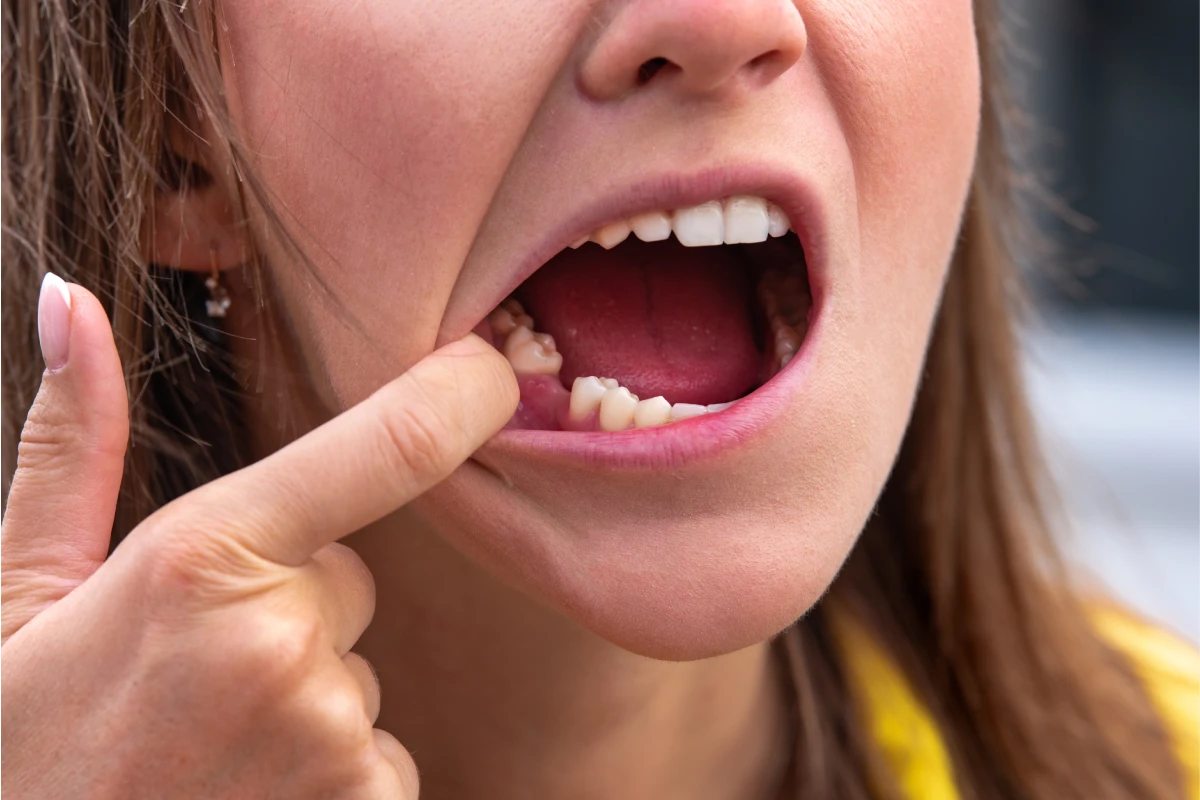
Fixed hybrid dental implant systems offer a comprehensive solution for replacing an entire arch of teeth. If you’ve lost most or all of your teeth or have a few remaining that aren’t in excellent condition, a fixed hybrid treatment may provide a stable, long-lasting option for restoring oral function.
Unlike traditional dental implants, which are designed to replace individual teeth or support small bridges for a few missing teeth, fixed hybrids are engineered to hold an entire denture securely. This approach involves placing four to six implants evenly along the jawbone, providing full arch support and helping maintain jaw health and stability.
One of the appealing aspects of this approach is that some treatment plans can provide a new set of teeth on the same day. This may allow for an immediate improvement in oral function and appearance, although the exact timeline depends on individual circumstances.
Key Benefits of Fixed Hybrid Dental Implants
Imagine waking up each morning and not worrying about whether your dentures will cooperate throughout the day. Fixed hybrid dental solutions can support a lifestyle with greater stability and normalcy. This restorative approach can enhance the look and function of the teeth and may improve overall quality of life. Below are some of the primary benefits of fixed hybrid dental implants:
Restoration of Full Chewing Function
With fixed hybrid dental implants, many people can enjoy eating a wider variety of foods with fewer restrictions. The secure fit of the prosthetic teeth can make biting and chewing feel more natural than with removable dentures.
Improved Speech
Unlike traditional dentures that may shift and affect the ability to speak clearly, fixed hybrid implants are designed to stay firmly in place. This stability can support more confident and articulate communication while reducing concerns about slippage or discomfort.
Potential to Avoid Bone Grafting
One potential advantage of fixed hybrid treatments is that they may be suitable for some patients with a degree of bone loss, potentially reducing the need for bone grafting procedures. By strategically placing implants in areas where sufficient bone is available, treatment may be possible without grafting in certain cases.
An Attractive, Natural-Looking Smile
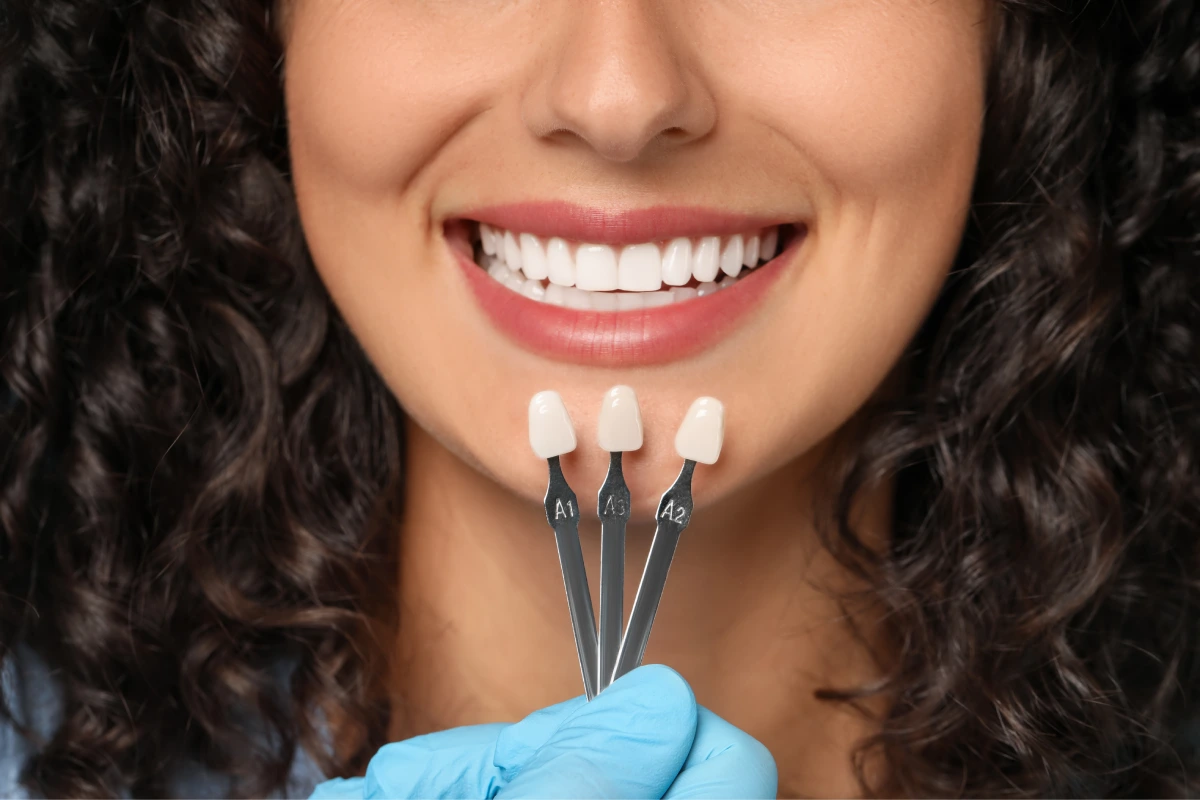
Custom-designed prosthetic teeth can be shaped to complement facial features and create a natural-looking appearance. The final result can provide an aesthetically pleasing smile while restoring oral function.
Boosted Self-Esteem and Confidence
The psychological benefits of a restored smile can be just as meaningful as the physical ones. Fixed hybrid implants may improve self-esteem by helping people feel more comfortable laughing, smiling, eating, and engaging with others.
What to Expect Before and During Fixed Hybrid Surgery
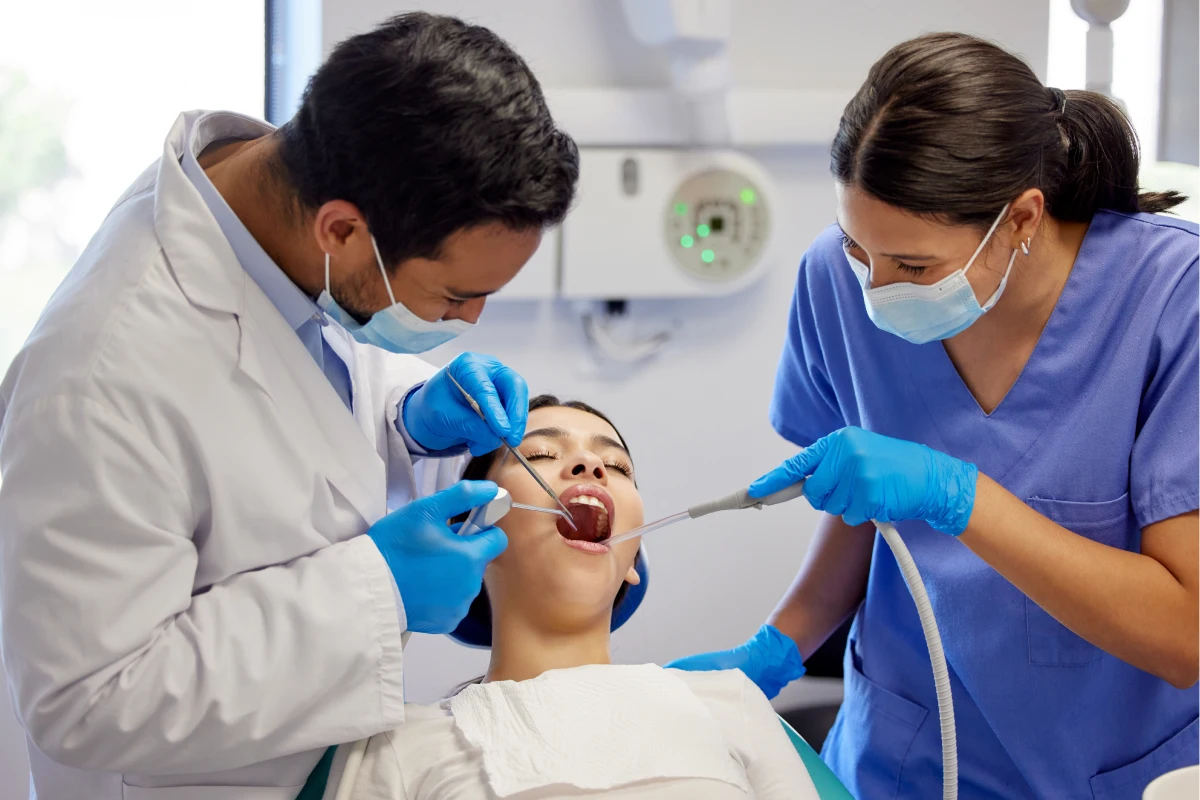
Before fixed hybrid surgery, patients can discuss sedation options and the steps involved in the procedure. The gums are also thoroughly numbed to help maintain comfort throughout treatment.
The first step, if needed, involves extracting any remaining teeth. After that, precise impressions of the upper and lower arches may be taken to help create a prosthetic that fits properly. Next, four or six titanium implants may be strategically placed into the jawbone. These implants act as sturdy anchors, functioning like artificial roots for the new set of teeth.
During the treatment planning process, a dental professional will also review any medications or supplements currently being taken, as certain substances can increase the risk of bleeding during a procedure. Based on this evaluation, temporary adjustments may be recommended before surgery.
For safety, patients undergoing sedation should arrange for someone to drive them home after the procedure. Once the implants are in place, the prosthetic bridge can be secured to the implants according to the treatment plan. In some cases, patients may leave the office the same day with a functional temporary or final prosthetic.
Long-Term Care and Maintenance
Fixed hybrid treatments can be an effective option for restoring a functional and aesthetically pleasing smile. Maintaining the prosthetic and surrounding oral tissues is an important part of protecting the long-term results. Maintenance for fixed hybrid dental restorations typically includes:
- Daily Cleaning: Brush your fixed hybrids as you would natural teeth. Cleaning around the implants and prosthetic is also essential for maintaining oral health.
- Regular Check-Ups: Regular dental check-ups allow a dental professional to monitor the implants, prosthetic, gums, and surrounding structures.
- Dietary Habits: Although fixed hybrids are designed to be durable, avoiding extremely hard foods can help protect the prosthetic and potentially prolong its lifespan.
Are Fixed Hybrids Right for You?
Whether fixed hybrid dental solutions are appropriate often comes down to individual oral health, anatomy, needs, and lifestyle preferences. Potential candidates may include people who:
- Have lost multiple teeth but maintain sufficient bone structure for implant placement.
- Are experiencing difficulties with traditional dentures, including movement or discomfort.
- Seek a long-term restorative option for replacing an entire arch of teeth.
Determining candidacy requires an evaluation by a qualified dental professional. Factors such as bone volume, gum health, remaining teeth, overall oral health, and treatment goals can influence which restorative approach is most appropriate.
The Bottom Line
Fixed hybrid dental implants offer an approach for replacing an entire arch of teeth while providing the stability of implant-supported restoration. This treatment can help restore chewing ability, support clearer speech, improve the appearance of the smile, and contribute to greater confidence.
Understanding how the procedure works, what recovery may involve, and how the restoration should be maintained can help patients make informed decisions about their oral health. A qualified dental professional can evaluate individual needs and explain the available treatment options.