Skip to content

Table of Contents
That slight sensitivity when drinking cold water seems minor. A small, dark spot on a back molar doesn’t hurt, so it’s easy to ignore. But tooth decay doesn’t stop on its own. Left untreated, cavities grow deeper, reach the nerve, and transform from a simple fix into a painful emergency requiring extensive treatment.
Catching decay early makes all the difference. What starts as a tiny hole that needs a simple filling can progress to an infection requiring a root canal or extraction. The bacteria causing decay continue eating away at tooth structure, weakening it from the inside until major damage occurs.
Solomon Family Dentistry in Summerville, SC, provides dental fillings that stop decay in its tracks and protect teeth from further deterioration. Understanding how fillings for cavities work and why timely cavity treatment matters helps anyone dealing with tooth sensitivity or visible decay make informed decisions about their oral health.
How Fillings Protect and Restore Teeth
When bacteria erode tooth enamel, they leave behind tiny holes known as cavities. Left untreated, these cavities can spread deeper into the tooth, reaching the inner layers and causing pain, infection, or even tooth loss.
Dental fillings stop this process in its tracks. During treatment, your dentist removes decayed material and replaces it with a durable filling that seals the tooth. This prevents bacteria from re-entering, restores strength, and allows you to chew comfortably again.
A filling serves both as a restoration, replacing what is absent, and as a protective measure against future decay.
Why Early Cavity Treatment Matters
Cavities rarely fix themselves. In fact, once tooth enamel breaks down, it cannot regenerate naturally. Early identification of decay is vital to minimize the risk of requiring more complicated procedures, such as root canals or crowns, in the future.
Signs you may need fillings for cavities include:
- Sensitivity to sweets or temperature changes
- A visible hole or dark spot on the tooth
- Pain when biting or chewing
- Persistent dull or sharp toothache
Routine dental checkups are your best defense since dentists can detect decay before it becomes painful or visible.
The Benefits of Dental Fillings
Contemporary dental fillings not only repair cavities but also enhance the tooth’s functionality, comfort, and aesthetics.
Here are some key benefits of dental fillings:
- Prevents further decay: By sealing off damaged areas, fillings stop bacteria from spreading.
- Restores structure: Replaces lost tooth material, so you can chew without discomfort.
- Reduces pain and sensitivity: Protects exposed nerves and prevents irritation from hot or cold foods.
- Improves appearance: White fillings for teeth match your natural color, blending in beautifully.
- Lasts for years: High-quality materials, such as composite resin, provide strength and durability.
Many patients also appreciate that today’s materials are mercury-free and designed to look natural, so your restoration feels as good as it looks.
Who Is a Good Candidate for a Filling?
Most people with mild to moderate tooth decay are excellent candidates for dental fillings. Fillings can also repair minor cracks or worn-down areas caused by grinding or habits like nail-biting.
You might benefit from this treatment if you:
- Have early-stage cavities or tooth damage
- Experience occasional tooth sensitivity
- Want a minimally invasive cavity treatment
- Prefer a natural-looking, tooth-colored restoration
Even children may need fillings when baby teeth develop cavities. Preserving these teeth until they naturally fall out helps maintain proper spacing for adult teeth and prevents infection.
If you’re unsure whether you need a filling, your dentist can confirm through a quick visual exam or X-rays. Don’t hesitate to contact us at Solomon Family Dentistry if you have any questions or need to schedule an appointment.
The Step-by-Step Filling Process
Hearing you need a filling can sound nerve-wracking, but modern dentistry has made the experience surprisingly easy and pain-free.
Here’s what to expect step-by-step:
1. The Consultation
Your dentist will check the problematic tooth and might use X-rays to determine how severe the decay is. After verification, they will discuss your choices, which may include various materials such as composite resin or amalgam.
2. Numbing the Area
Before treatment begins, local anesthesia numbs the area completely. With pain-free dental fillings, most patients report feeling only mild pressure instead of pain during the procedure.
3. Removing Decay
The dentist gently removes the decayed portion of the tooth using precision tools, leaving behind only healthy tissue. This step ensures the cavity won’t continue to spread.
4. Filling the Tooth
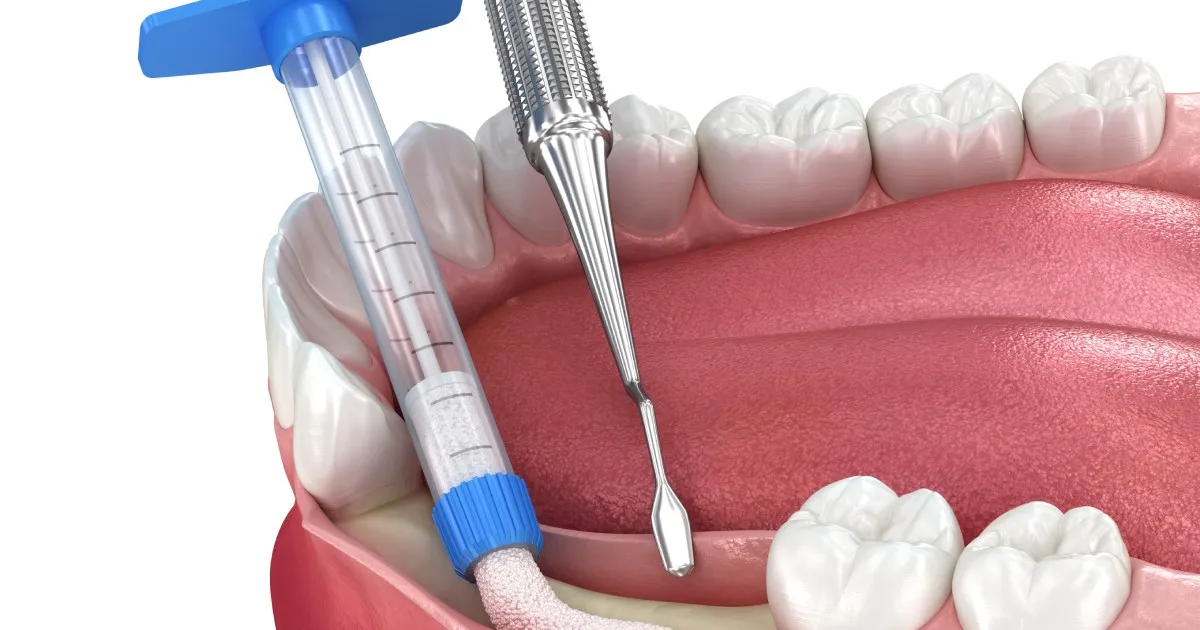
Next, the cleaned area is filled with a durable, tooth-colored material. For white fillings for teeth, composite resin is applied in layers and hardened with a special light.
5. Shaping and Polishing
Once the filling is in place, your dentist shapes and polishes it so it feels smooth and looks natural. You’ll leave with a tooth that looks whole again, and a bite that feels comfortable.
Most appointments take less than an hour, making this one of the quickest ways to restore dental health.
Aftercare and Recovery
There’s virtually no downtime after getting a filling. You can return to work, school, or normal activities immediately. Still, a few aftercare tips help protect your restoration and prevent future decay:
- Avoid eating until the numbness wears off completely.
- Skip very hot, cold, or sticky foods for the first day.
- Brush and floss gently around the filled tooth.
- Keep up with regular checkups and cleanings.
Fillings typically last 5–10 years or longer, depending on oral hygiene and the material used. If you notice new sensitivity or a rough edge on the filling, schedule a quick evaluation to ensure it stays secure.
Protect Teeth Before Damage Becomes Severe
Dental fillings provide essential protection that stops decay progression and preserves natural tooth structure. Early cavity treatment prevents minor problems from becoming major emergencies requiring extensive and expensive procedures.
The dental filling procedure is quick, comfortable, and creates lasting results that restore both function and appearance. Modern pain-free techniques and tooth-colored materials make treatment more appealing than ever, eliminating the discomfort and cosmetic concerns of past decades.
Regular dental visits catch cavities early when they’re easiest to treat. Waiting until pain develops means the decay has already progressed significantly, requiring more involved treatment. Prevention and early intervention are always preferable to crisis management.
Needdental fillings in Summerville, SC? At Solomon Family Dentistry, our skilled team delivers gentle and effective cavity fillings using contemporary, tooth-colored materials that integrate smoothly with your smile, guaranteeing a comfortable and stress-free experience.
Book your filling appointment today to prevent tooth decay and keep your teeth healthy with timely treatment and regular preventive care.