Skip to content
Table of Contents
Losing an upper molar is annoying for obvious reasons, chewing gets harder, your bite feels off, and you start favoring one side. The frustrating part is what happens next when you finally look into implants and hear, “You may need a sinus lift.”
That sentence can sound intimidating if you’ve never heard of it, but it’s also extremely common, especially for people missing back upper teeth. The good news is that sinus lifts have improved a lot in the last several years, and one of the biggest reasons is digital planning, including AI-supported tools.
At Solomon Dentistry, patients looking into Sinus lifts in Mt. Pleasant, SC often feel relieved once they understand what the procedure actually involves, and how modern technology helps make it more predictable and comfortable.
What Digital Planning Brings to Sinus Lifts
Traditional sinus lift procedures relied on two-dimensional X-rays that showed limited detail about bone structure, sinus anatomy, and membrane thickness. Surgeons had to estimate depths, angles, and bone availability based on flat images of three-dimensional structures.
Digital planning uses cone beam computed tomography (CBCT) scans that create detailed 3D models of the entire jaw and sinus area. These scans show bone density variations, exact sinus membrane location, blood vessel positioning, and anatomical variations that affect surgical approach.
Computer software allows surgeons to virtually perform the sinus lift procedure before treatment day. They can measure precisely how much bone graft material is needed, determine the optimal entry point, plan the exact dimensions of the bone window that needs to be created, and identify potential complications before they occur.
This level of detail transforms the sinus lift procedure from reactive to proactive. Instead of discovering problems during surgery and adapting on the spot, surgeons know exactly what they’ll encounter and have solutions planned in advance.
For sinus lift for dental implants, this planning extends beyond just the bone graft. Digital tools show the ideal implant positions, angles, and depths based on the patient’s specific anatomy and planned restorations. The entire treatment sequence gets mapped out digitally first.
How AI Enhances Surgical Precision
Artificial intelligence adds another layer of analysis that human eyes might miss. AI algorithms trained on thousands of sinus lift cases can identify patterns, predict outcomes, and flag potential concerns that deserve extra attention.
AI analyzes bone density measurements from CBCT scans and predicts how well bone graft material will integrate. This helps determine the optimal healing time before placing implants and whether additional grafting might be needed for long-term success.
The technology can identify anatomical variations that increase complication risk. Some patients have thinner sinus membranes, unusual blood vessel patterns, or bone defects that require modified surgical techniques. AI flags these variations and suggests approach modifications.
Outcome prediction has improved significantly with AI analysis. By comparing a patient’s anatomy and planned procedure to thousands of previous cases with known outcomes, AI can estimate healing timelines, implant success probability, and potential complications specific to that individual.
For sinus lift for upper molars, AI helps determine whether a traditional external sinus lift technique or a less invasive internal approach would yield better results based on available bone height, sinus shape, and patient factors.
Benefits of Sinus Lifts That Go Beyond “More Bone”
Most people assume sinus lifts are only about making implants possible. That is the main goal, but the benefits go further than that, especially when the procedure is planned digitally.
- Long-term implant stability: More bone support helps implants stay secure and feel natural.
- Implants in tricky areas: A sinus lift for upper molars can make implants possible even when bone is limited.
- Fewer removable solutions: Sinus lifts can reduce the need for partial dentures or bridges.
- Better facial support: Rebuilding upper jawbone helps maintain facial structure over time.
- Improved chewing comfort: Stable back teeth implants reduce strain and make eating easier.
Digital planning makes these benefits more reliable because the graft placement and implant plan are based on precise anatomy, not estimates.
Who Is This Best For?
Sinus lifts are most commonly recommended for patients who want dental implants but don’t have enough bone in the upper jaw, especially near the back teeth.
You may be a good candidate for sinus lift for dental implants if you:
- Have one or more missing upper molars
- Need a sinus lift for missing teeth due to bone loss
- Have worn dentures or partials and want a more stable option
- Lost teeth years ago and have noticeable bone shrinkage
- Have been told implants are not possible without grafting
This procedure can also be helpful for people who lost teeth due to periodontal disease, injury, or long-term decay. In many cases, the need for a sinus lift has nothing to do with poor hygiene and everything to do with anatomy.
If you are exploring sinus lifts in Mt. Pleasant, SC, a consultation at Solomon Dentistry can confirm how much bone is available and which approach makes the most sense for your implant plan.
What to Expect (Process, Timeline, Results)
Pre-Treatment Prep
Your appointment usually starts with an exam, a health history review, and 3D imaging. Digital scans can also help map your bite, and AI-supported planning tools may assist in evaluating bone thickness and sinus position.
Treatment Day
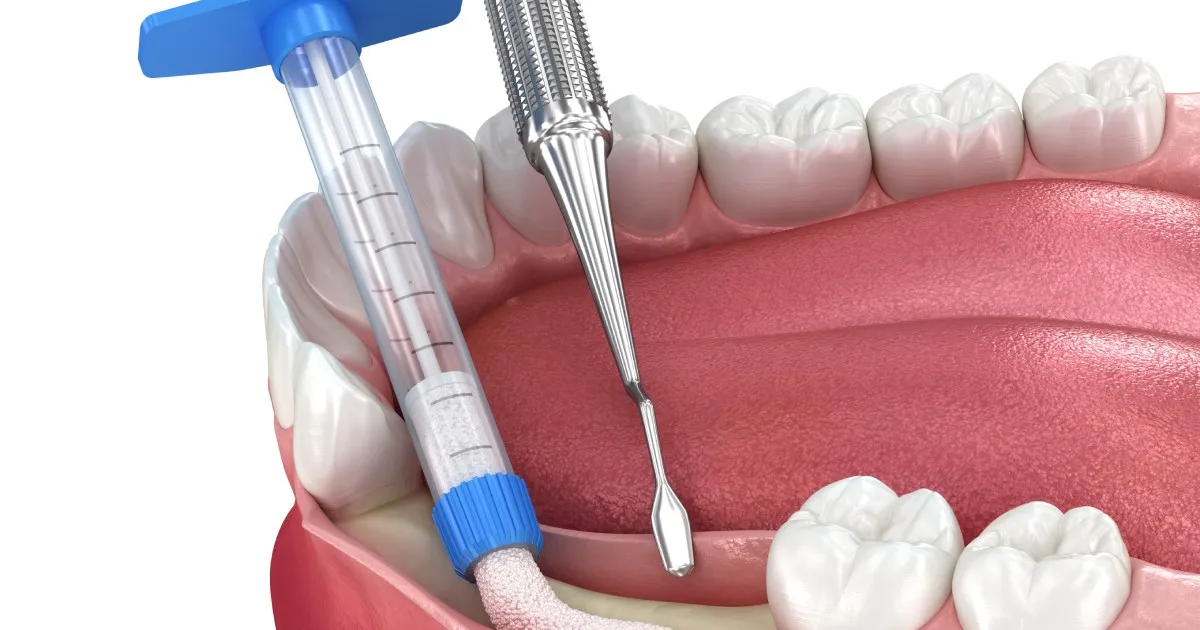
Your provider numbs the area fully, and sedation options may be available to help you stay relaxed. The dentist lifts the sinus membrane, places bone graft material underneath it, then closes the site, and some cases may require an external sinus lift technique depending on bone loss.
Downtime and Recovery
Most patients have mild swelling, tenderness, and minor bleeding for a few days. You will also get clear aftercare instructions, including avoiding forceful sneezing, blowing your nose, smoking, and drinking through a straw for a period of time.
When Results Show and How Long They Last
Healing takes time because new bone growth is a slow biological process, often requiring about 4 to 12 months before implants can be placed. Once implants are restored with crowns, results can last for many years with good hygiene and routine dental visits.
Build Your Smile on a Solid Foundation
Modern technology has transformed sinus lifts from challenging procedures with unpredictable outcomes into precisely planned treatments with high success rates. Digital imaging shows exactly what needs to happen, AI analysis predicts how things will progress, and computer planning eliminates much of the guesswork that once defined these surgeries.
For anyone needing dental implants in the upper jaw but lacking sufficient bone, these technological advances mean better experiences and more reliable results. The difference between hoping for the best and knowing what to expect changes everything about treatment confidence and satisfaction.
The team uses advanced planning technology to create predictable, successful outcomes for patients needing bone augmentation before implant placement.